Most rented items of 2024 and what you should focus on renting in 2025
In 2025, the rental industry continues to experience significant growth, building on the momentum of 2024. As more businesses explore rental opportunities, understanding the most rented items and the trends driving demand will be crucial to your success. Whether you're thinking of starting your own rental business or expanding an existing one, these insights will help guide your strategy.
In this blog, we’ll explore the top-renting items from 2024 and break down the key trends shaping the industry. We’ll also provide actionable advice on what to focus on in 2025 to position your rental business for growth and profitability. From high-demand event decor to in-demand outdoor equipment, we’ll share valuable insights to help you make informed decisions as you embark on your rental business journey.
The Most Rented Items of 2024: What You Can Learn for Your Rental Business
The most rented items from the previous year can offer valuable insights into customer preferences and market demand. These trends highlight the types of products people are turning to for short-term rentals. By understanding these preferences, you can make informed decisions about which items to focus on in your rental business to stay competitive and meet customer needs.
1. Event Decor & Equipment
Event decor and equipment remain among the most rented items, and for good reason. The industry was valued at $5.3 billion in 2024 and is expected to grow 4.6% in 2025, reaching $5.6 billion.
More people are investing in live, in-person experiences, and large-scale events such as weddings, corporate functions, and conferences are fueling demand for high-end, personalised decor. If you're looking for a rental business with high-value bookings and repeat customers, event rentals offer a strong opportunity.
What's Driving Demand in 2025?
Customisation is key. Clients don't want generic setups. They're looking for unique, Instagram-worthy decor that enhances the atmosphere of their event. Wedding rental items like elegant furniture, statement backdrops, and high-end draping are in high demand, while corporate events focus on branded stage designs, LED lighting, and professional AV solutions.
Sustainability is gaining traction in corporate events. While weddings and private gatherings still prioritise aesthetics, businesses planning corporate events are increasingly interested in eco-friendly rental options. Many companies prioritise corporate social responsibility (CSR) initiatives, leading to a rise in demand for sustainable options. As a result, the most rented items in this space include reusable decor, LED lighting, and energy-efficient AV solutions.
Full-service rentals attract premium clients. Many event planners and clients are willing to pay more for convenience, especially for large-scale events. Businesses that offer delivery, setup, and teardown services stand out in a competitive market.
What Are the Most Profitable Items to Rent Out?
If you're thinking about starting an event rental business, choosing the right inventory is key. Some items are in high demand year-round, making them more profitable and easier to rent out consistently.
- Chairs: Most events need seating, which makes chairs one of the easiest rentals to manage. Plastic folding chairs typically rent for around $1.50 to $3 per chair, while Chiavari chairs go for approximately $5 to $6 per chair.
- Tables: Whether it’s a wedding, conference, or corporate function, tables are a must. Standard folding tables rent for $6 to $14 per table, while banquet-style and cocktail tables range from $8 to $25 per rental. Offering different styles and sizes ensures you can meet various customer needs.
- Linens: Tablecloths, chair covers, and runners add a polished look to any event and are often rented with tables and chairs. Basic linens rent for around $10 to $25 per piece, with premium fabrics costing more and requiring regular cleaning and occasional replacements.
- Flatware & Dinnerware: A 5-piece place setting typically rents for $2 to $4 per person, with packages for 100 guests ranging from $200 to $400. These items are great add-ons, but you’ll need to account for cleaning, polishing, and breakage in your pricing.
- Tents: Tents are essential for outdoor events, offering weather protection and a defined event space. A 20×20 ft party tent rents for approximately $200 to $500 per day, while a 20×40 ft tent typically ranges from $300 to $750 per day, with add-ons like sidewalls and flooring increasing the price.
- Lighting: Lighting enhances ambiance and is often rented with tents and AV equipment. Wireless LED uplights rent for around $49 per piece per day, while uplighting packages start at approximately $350 per event.
- Dance Floors (LED Dance Floors): A dance floor adds energy to any event and is a popular rental choice. Medium LED floors (300 to 500 sq ft) rent for approximately $1,200 to $2,500 per event, while larger setups can exceed $5,000.
How Much Does It Cost to Start an Event Rental Business?
The initial investment for an event rental business ranges from $10,000 to $50,000, depending on the inventory size and level of service you offer.
A small-scale business focusing on basic event rentals like chairs, tables, and linens typically requires $10,000 to $20,000 to get started. If you're planning to offer higher-end decor such as custom backdrops, LED dance floors, and luxury furniture, you may need to invest $30,000 to $50,000. Businesses that provide full-service rentals, including AV equipment, staging, and professional lighting, often require $50,000 or more.
If you're just getting started, focus on high-demand, easy-to-store items such as seating, linens, and tableware. You can expand into lighting, decor, and AV solutions as your business grows.
Is an Event Rental Business Right for You?
From managing inventory to coordinating deliveries, event rentals require careful planning. Think through these key points before getting started:
- Do you want a business with high-value bookings? Large events can bring in thousands of dollars per booking, with repeat business from wedding planners and corporate clients.
- Are you comfortable with logistics? You’ll need to manage storage, delivery schedules, and setup coordination to keep operations running smoothly.
- Do you have an eye for design? Clients expect rental businesses to provide stylish, modern decor that complements their event.
- Are you willing to invest in durable, high-quality inventory? Seating, lighting, and AV setups need to be sturdy enough to withstand repeated use.
If you're searching for one of the best rental business ideas, event rentals offer high-value bookings, strong repeat business, and opportunities to expand into full-service solutions. The key to success is focusing on high-demand rental items, providing premium service, and staying ahead of industry trends.
2. Camera & Audiovisual Equipment Rentals
Camera and AV equipment remain among the most rented items, with demand continuing to rise. In 2024, the audiovisual equipment rental market was valued at approximately $18.2 billion and is projected to grow at a compound annual growth rate (CAGR) of 8.5%, reaching around $35.8 billion by 2032.
Whether it's content creators, filmmakers, event planners, or businesses, people need high-quality camera and audio equipment for short-term projects. Most don't want to buy expensive gear for occasional use, which is why rentals are booming. If you're looking for one of the best rental business ideas with strong earning potential, this is an industry worth considering.
What's Driving Demand in 2025?
Content creators, from social media influencers to YouTubers and independent filmmakers, rely on professional cameras, lenses, and lighting to produce high-quality work. However, the upfront cost of buying this equipment is often too high, making rentals the ideal solution. At the same time, businesses are investing more in professional AV setups for corporate events, webinars, and product launches, driving demand for microphones, projectors, and sound systems.
Live events like concerts, theater productions, and festivals are also fueling the AV rental market. Organisers prefer renting over purchasing since technology evolves quickly, and renting allows them to access the latest equipment while keeping costs down.
What Are the Most Profitable Items to Rent Out?
If you want to start a camera and AV equipment rental business, focus on high-demand items with strong profit margins:
- Professional cameras and lenses: High-end DSLR and mirrorless cameras are essential for photographers and videographers. Rental rates range from $100 to $225 per day, depending on the model. Lenses can be rented separately, with rates between $30 and $35 per day.
- Lighting kits: Proper lighting is crucial for studio shoots and on-location filming. Renting LED panels, softboxes, and ring lights can cost between $105 and $150 per day, depending on the type and brightness.
- Audio equipment: High-quality microphones, mixers, and speakers are in demand for corporate events, weddings, and concerts. Rental fees typically range from $75 to $305 per day. Microphones rent for $75 to $150 per day, while audio mixers range from $305 per day.
- Projectors and screens: Essential for corporate presentations and conferences. Projectors can be rented from $105 per day, while full projector and screen setups range from $25 to $250 per day, depending on the size and type.
These items are among the most rented items due to the rapid pace of technological advancements. Many professionals choose to rent the latest models rather than invest in equipment that may become outdated quickly.
How Much Does It Cost to Start a Camera & AV Equipment Rental Business?
If you’re thinking about starting a camera and AV equipment rental business, your upfront costs will depend on the type and quality of gear you invest in. A professional camera alone can cost anywhere from $2,000 to $10,000, while a solid lighting setup will add another $1,000 to $5,000. High-quality audio equipment, such as microphones and interfaces, can range from $500 to $3,000. If you plan to operate from a dedicated space, renting a studio could cost $1,000 to $3,000 per month, while purchasing will require a much larger investment.
Beyond equipment, you'll also need to budget for marketing and branding ($1,000 to $10,000), website development ($500 to $5,000), and business essentials like insurance ($500 to $2,000 annually) and legal fees ($1,000 to $3,000). A lean startup might get off the ground with $10,000 to $20,000, while a more comprehensive setup could exceed $150,000. To keep costs manageable, many new rental businesses start with essential gear and gradually expand by reinvesting profits.
Is a Camera & AV Equipment Rental Business Right for You?
From high-value gear to fast-changing technology, this industry comes with unique challenges. Ask yourself these questions before taking the leap:
- Do you have an interest in photography, videography, or AV technology? A basic understanding of camera and sound equipment will help you guide customers and maintain gear properly.
- Is there demand in your area? Urban areas with film schools, corporate hubs, or active creative communities are the best markets for AV rentals.
- Are you comfortable managing high-value equipment? Security deposits and insurance policies are essential to protect your investment.
- Do you enjoy working with a mix of customers? Clients could include photographers, small business owners, corporate teams, and even wedding videographers.
If you're looking for one of the best rental business ideas for 2025, camera and AV equipment rentals offer strong profit potential. The demand for high-quality visuals in content creation, business marketing, and live events is growing, making this an industry with long-term earning potential. Some businesses thrive by focusing on the most rented items, such as professional cameras, LED panels, and wireless microphone systems, ensuring they always meet customer demand.
Whether you start small or invest in a full-service AV rental business, the key to success is stocking high-demand items, marketing to the right audience, and offering flexible rental options.
3. Bike & E-Bike Rentals
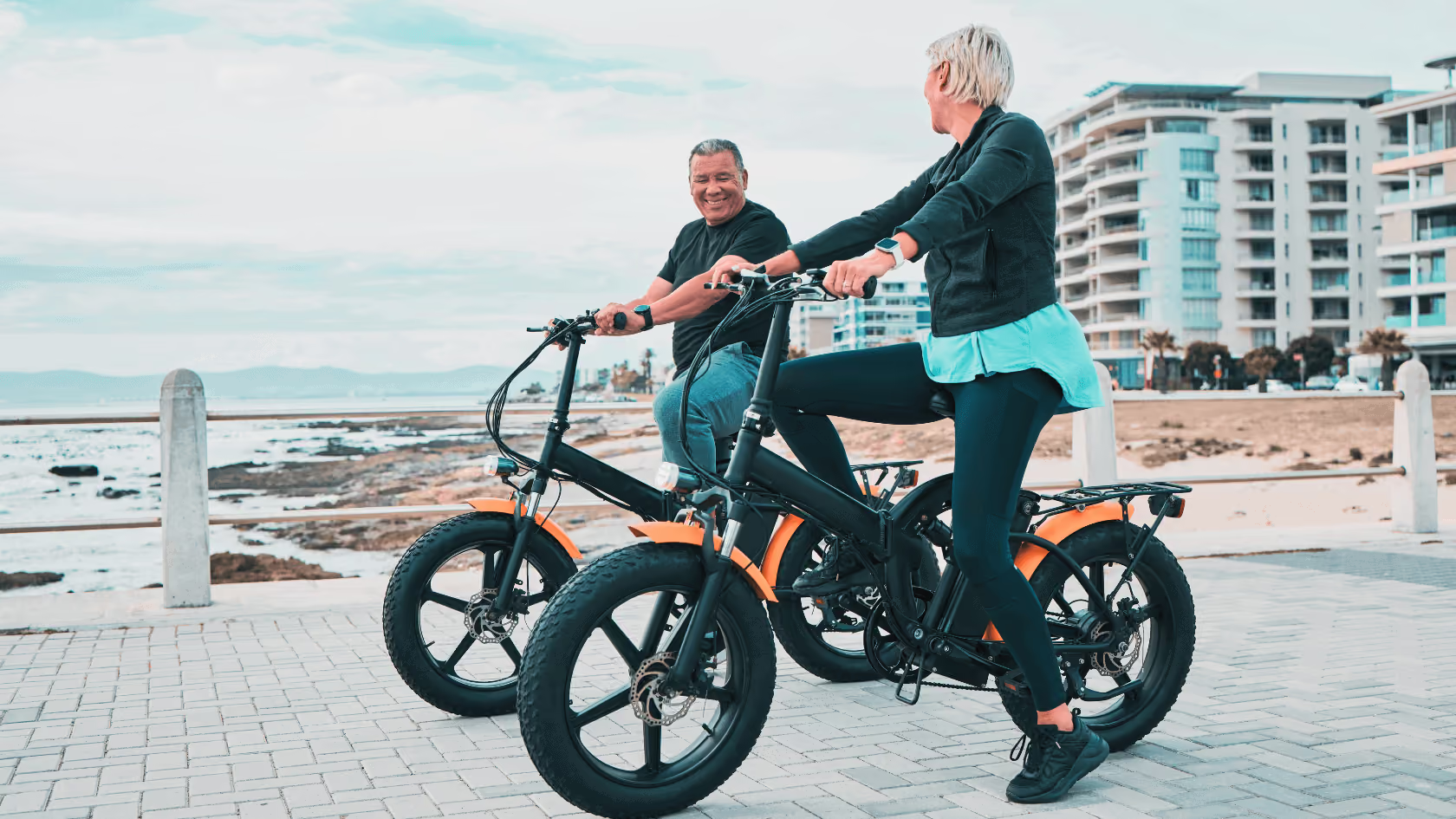
If you're looking for a rental business with steady demand, bike and e-bike rentals are worth considering. In 2024, the global bike-sharing market was valued at $9 billion, with a projected CAGR of 7.6% through 2034. At the same time, the e-bike rental market, valued at $3.1 billion, is expected to reach $8.5 billion by 2032, growing at 11.5% annually. With both markets expanding, offering traditional and electric bike rentals allows you to attract a broader customer base and maximise opportunities in high-traffic cities and tourist destinations.
More people are choosing bike rentals over ownership, fueling the continued rise in demand. Tourists enjoy the flexibility of renting, giving them the freedom to explore at their own pace, while commuters rely on short-term hires for quick, affordable transportation. Many renters prefer this hassle-free option to avoid maintenance and storage costs, making bicycles one of the most rented items in urban centers and travel hotspots.
What's driving Demand for Bikes and E-Bikes in 2025?
Rising fuel costs and the need for affordable, hassle-free transport are making bike and e-bike rentals one of the most rented items in 2025. More commuters are choosing short-term rentals over the expense of owning a bike, while tourists enjoy the flexibility of exploring a city on two wheels. At the same time, cities are investing in better cycling infrastructure, with more dedicated bike lanes and improved parking, making rentals a more practical option for daily use.
Advancements in e-bike technology are also driving demand, with longer battery life, faster charging, and improved performance making them even more appealing. Whether for quick commutes, weekend rides, or sightseeing, bike rentals offer a cost-effective and convenient solution. With growing interest in pay-as-you-go transport, rental businesses are well-positioned to attract a steady stream of customers.
How to Make Your Bike Rental Business More Profitable
If you want to maximise revenue and stand out in the bike rental industry, focusing on high-value rentals and additional revenue streams can make a big difference. Here are four ways to increase profitability:
- High-Demand Bike Types: Not all bikes rent for the same price, so offering premium or specialised models can increase profits. E-bikes command higher rental rates, cargo bikes appeal to families and delivery services, and road or mountain bikes attract fitness enthusiasts and adventure seekers.
- Add-On Rentals for Higher Revenue Per Customer: Bundling accessories like helmets, bike locks, child seats, and storage bags increases rental value while enhancing the customer experience. These extras are often necessary for riders and easy to include as package deals.
- Subscription or Membership Models: Instead of relying solely on short-term rentals, offering weekly or monthly rental plans can provide a steady stream of revenue. This is particularly effective in cities where commuters and delivery riders need affordable long-term options.
- Guided Bike Tours & Local Partnerships: Offering guided city tours alongside rentals can set your business apart and attract more customers. Partnering with hotels, B&Bs, and travel agencies allows you to reach more tourists, secure steady referrals, and offer exclusive rental deals to guests.
How Much Does it Cost to Start a Bike Rental Business?
Starting a bike rental business requires an initial investment that varies based on fleet size and bike type. Traditional bikes cost $300 to $700 each, while e-bikes range from $1,500 to $8,000 per unit, meaning startup costs can fall anywhere from $6,000 to $80,000, depending on inventory. Many businesses start small and scale up as demand grows.
Beyond bikes, key expenses include maintenance ($50–$150 per bike annually), insurance ($1,000–$3,000 per year), and rental space ($1,500–$5,000 per month). Staff salaries and additional costs like helmets, locks, and marketing add to the total, bringing overall startup costs to $40,000–$100,000+. For a deeper dive into setup and operations, check out “How to Start a Bike Rental Business: The Ultimate Step-by-Step Guide”.
Is a Bike Rental Business Right for You?
A bike rental business can be a profitable and rewarding venture, especially in the right location. Before getting started, consider these key factors:
- Is there demand in your area? Tourist destinations, city centers, and cycling-friendly regions are ideal for rentals. Research local trends and competitors to understand potential demand.
- Are you comfortable managing logistics? Keeping bikes well-maintained, handling repairs, and coordinating rentals are part of daily operations, but with the right systems in place, it can run smoothly.
- Do you enjoy an active, customer-facing business? Whether working with tourists exploring a city or commuters renting long-term, strong service and a seamless rental process can help build a loyal customer base.
- Are you ready to invest in the right setup? From purchasing bikes to securing insurance and marketing your business, careful planning ensures long-term success.
If you're in a high-traffic area and looking for a scalable business with consistent demand, a bike rental business could be a great fit.
4. Party Supplies and Inflatables
Party supply rentals are among the most rented items, with strong demand for children’s birthday parties, small gatherings, and themed celebrations. The global party supply rental market grew from $14.13 billion in 2023 to $16.22 billion in 2024 and is projected to expand at a CAGR of 14.96%, reaching $37.50 billion by 2030. As more people opt to rent rather than buy one-time-use items, the market continues to thrive.
From tables and chairs to photo booths and concession machines, rental supplies for party events provide a convenient and affordable way for hosts to create memorable experiences. If you're looking for a rental business with steady demand, party supplies offer low startup costs, high repeat business, and broad customer appeal.
What's Driving Demand in 2025?
Parents are looking for more immersive and interactive experiences to make children's parties unforgettable. Rather than simple decorations and standard setups, they're opting for themed parties with engaging activities that keep kids entertained and create lasting memories. Popular themes like space adventures, interactive science experiments, and stuffed animal adoption stations are shaping rental demand, with families searching for unique elements to enhance their celebrations.
At the same time, speciality rental items are becoming must-haves for kids' parties. Bounce houses remain a top choice, but demand is also growing for photo booths, interactive games, retro and vintage decor, and concession machines like popcorn or cotton candy makers. With parents prioritising convenience, party rental businesses that offer bundled packages with setup and delivery are seeing increased bookings.
What Are the Most Profitable Items to Rent Out for Parties?
If you want to boost profitability in the party rental business, stocking high-demand, versatile items is key. These rentals are consistently popular, offering strong returns and repeat bookings. Having the right equipment for party rentals ensures you can meet customer demand and maximise bookings across different event types. Many of the most rented items in this industry combine entertainment with visual appeal, making them essential for a successful inventory.
- Photo Booths: A crowd favorite at events, providing entertainment and personalised keepsakes. The photo booth market was valued at $650 million in 2024, with rental rates typically ranging from $400 to $1,000 per event, depending on features and rental duration.
- Interactive Entertainment Machines: Concession machines like popcorn makers, cotton candy machines, and snow cone machines are always a hit. These typically rent for $50 to $150 per day, plus supplies, and add an interactive element to parties.
- Bounce Houses: A must-have for children’s parties, offering hours of fun. Rental prices generally fall between $100 and $400 per day, depending on the size and design.
- Decorative Lighting: Uplighting, chandeliers, and string lights help set the mood for any event. These rentals typically range from $100 to $500 per event, based on the complexity of the setup.
- Themed Party Props & Backdrops: From balloon garlands to life-sized character cutouts, themed decorations bring events to life. Adding them to your party rental ideas can set your business apart, as they are a popular upsell for party planners, with rental costs ranging from $50 to $300 per event, depending on size and material.
- Stuffed Animal Adoption Stations: A fun and interactive activity where kids choose and "adopt" their own plush toy. Rental packages, including stuffed animals and adoption certificates, typically range from $200 to $600 per event, depending on the number of participants and extras.
How Much Does It Cost to Start a Party Supply Rental Business?
Starting a party supply rental business requires a solid initial investment, which can range from $20,000 to $50,000, depending on the equipment and services you plan to offer. Basic inventory like tables, chairs, and linens typically costs between $5,000 and $10,000, while adding high-demand specialty items like photo booths ($2,000 to $10,000), bounce houses ($1,000 to $3,000), and concession machines ($500 to $2,000 each) will increase your upfront costs. These specialty items can significantly boost your revenue potential but require a higher initial investment.
In addition to inventory, you'll need to invest in storage space and transportation. A small warehouse and delivery vehicle will likely cost between $10,000 and $20,000. Don't forget to budget for licensing, insurance, and marketing efforts, which can total around $2,000 to $5,000. If you're starting on a smaller scale, you can expect to invest between $20,000 and $50,000, but larger setups and more extensive inventory may exceed $100,000.
Is a Party Supply Rental Business Right for You?
Success in this industry depends on more than just having the most rented items available as part of your inventory. Before getting started, think about whether your skills, resources, and business goals align with what it takes to thrive in party rentals.
- Do you enjoy working with families and event planners? Many customers will be parents, schools, and community groups looking for reliable and fun party rentals. Building strong relationships can lead to repeat business.
- Are you organised and good at logistics? Managing multiple bookings, deliveries, and inventory requires strong coordination skills. Offering setup and teardown services can make your business even more competitive.
- Can you handle equipment maintenance? Items like bounce houses, photo booths, and concession machines need regular cleaning and upkeep to stay in top condition.
- Is there demand in your area? Research local event trends and competitors to see if there’s a strong market for party rentals. If nearby businesses are thriving, it could be a great opportunity.
If you enjoy event planning, have strong organisational skills, and see demand in your area, a party supply rental business could be a profitable and rewarding venture.
5. Camping & Outdoor Equipment Rentals
Camping and outdoor equipment rentals are in high demand, driven by the growing interest in outdoor adventures and eco-friendly travel. The global outdoor adventure gear rental market was valued at $17.75 billion in 2024 and is projected to reach $31.93 billion by 2034, growing at a CAGR of 6.7%. Renting outdoor equipment such as camping gear, hiking kits, and water sports gear is becoming increasingly popular, offering an excellent opportunity for businesses located in tourist destinations or near outdoor recreation areas.
What's Driving Demand?
The demand for camping and outdoor equipment rentals is increasing, driven by economic factors and the growing popularity of domestic travel. As travel costs rise, more people are opting for affordable, local adventures. Renting outdoor gear provides a cost-effective solution, allowing customers to enjoy nature without the need to purchase expensive equipment for one-time use.
Outdoor activities are becoming more popular, with consumers seeking ways to explore nature without the long-term commitment of owning gear. As interest in hiking, camping, and water sports continues to grow, most rented items like tents, kayaks, and hiking equipment are in high demand. This shift in preferences presents a lucrative opportunity for rental businesses to meet the needs of outdoor enthusiasts in 2025.
Essential Camping & Outdoor Gear Rentals You Should Consider
As more people embrace outdoor adventures, certain gear has become must-have rental items for campers, hikers, and water sports enthusiasts. Stocking these high-demand items can help you attract a steady stream of customers:
- Tents and Sleeping Bags: Tents and sleeping bags are essential for camping trips and remain among the most rented items. Rental prices for tents range from $40 to $150 per day, depending on size and quality, while sleeping bags typically rent for $10 to $25 per day.
- Camping Cooking Equipment: Portable stoves, grills, and cooking kits are frequently rented by campers. Rental rates for these items typically range from $25 to $75 per day, depending on the type and size of the equipment.
- Kayaks, Paddleboards, and Canoes: Water-based activities are popular, with kayaks and paddleboards in high demand. Rentals for kayaks and paddleboards range from $40 to $100 per day, while canoes typically rent for $50 to $150 per day.
- Hiking Gear: Items like backpacks, trekking poles, and hydration systems are commonly rented by hikers. Rental prices for hiking gear typically range from $15 to $50 per day, depending on the item and quality.
These items reflect growing trends in outdoor recreation, making them profitable additions for rental businesses. By offering these popular rental options, you can cater to a wide range of customers and ensure consistent demand year-round.
How Much Does it Cost to Start a Camping and Outdoor Rental Business?
Starting a camping and outdoor equipment rental business requires a solid initial investment, but it offers substantial potential for growth and profitability. The exact costs will depend on the equipment you offer and the services you plan to include.
For basic inventory like tents, sleeping bags, and coolers, expect to invest between $5,000 and $15,000. If you plan to expand into more specialised gear, such as kayaks, paddleboards, or larger camping equipment, the investment could range from $15,000 to $30,000. On the higher end, offering premium equipment or additional services like delivery and setup could push your initial investment beyond $50,000. For a leaner start-up, especially if you're operating from home or with a smaller inventory, an investment between $20,000 and $30,000 is a good starting point.
Is a Camping & Outdoor Equipment Rental Business Right for You?
If you're considering starting a camping and outdoor equipment rental business, ask yourself if it aligns with your interests and strengths:
- Do you enjoy outdoor activities? A passion for camping and hiking can help you understand your customers' needs and give you a competitive edge.
- Are you organised? Efficient inventory management and timely deliveries are key to running a successful rental business.
- Is there demand in your area? If you’re near popular outdoor destinations or parks, this could be a great opportunity with steady customer interest.
If you're excited about the outdoors, have strong organisational skills, and see demand in your area, a camping and outdoor equipment rental business could be a great fit.
6. Power & DIY Tool Rentals
Power and DIY tool rentals offer a cost-effective solution for homeowners, small businesses, and contractors who need high-quality equipment without the long-term commitment. In 2023, the global tool rental market is valued at approximately $54.7 billion, with projections indicating it could reach $82.5 billion by 2033, growing at a Compound Annual Growth Rate (CAGR) of 4.2%.
With a growing number of people opting for rentals to complete short-term projects or access specialised tools, the demand for power tools continues to rise. As more individuals and businesses turn to rentals to avoid the costs of purchasing and maintaining tools, the power tool rental sector remains one of the most rented items, offering a profitable business opportunity for 2025 and beyond.
What's Driving Demand in 2025 for Power & DIY Tool Rentals?
The demand for power and DIY tool rentals continues to rise, driven by the growing popularity of DIY home improvement projects and small-scale renovations. Homeowners, hobbyists, and contractors alike are increasingly turning to rentals to access high-quality tools without the long-term expense of ownership.
With DIY projects on the rise and a strong demand from both residential and commercial construction sectors, tools like drills, saws, generators, and pressure washers are in high demand for short-term use. Renting has become a more practical and affordable option compared to owning, especially with the added costs of maintenance, storage, and repairs. This shift towards renting over owning is expected to grow, creating a great opportunity in the power tool rental market for 2025 and beyond.
What Are The Most Rented Power & DIY Tools?
The right mix of essential and specialised tools can keep your rental business busy year-round. Whether for home projects, renovations, or professional jobs, these tools see the highest demand:
- Power Drills: Essential for a range of home improvement tasks, power drills are always in demand. Rental prices typically range from $20 to $50 per day, depending on the model and duration.
- Generators: Crucial for residential and commercial projects, especially for outdoor work or emergencies. Renters can expect to pay $50 to $150 per day, based on the size and power capacity.
- Pressure Washers: Popular for cleaning outdoor spaces and equipment. Rental prices usually fall between $30 and $75 per day, depending on the type and power of the unit.
- Saws (Circular & Reciprocating): Indispensable for cutting wood, metal, and other materials. Rental prices range from $25 to $100 per day, depending on the type and model.
- Ladders: Commonly needed for home improvement, renovation, and commercial work. Rental rates for ladders can range from $15 to $50 per day, depending on size and material.
- Dumpsters: Dumpsters are one of the most rented items in the construction industry, essential for home renovations, clean-up projects, and large-scale debris removal. A 10-yard dumpster typically rents for $250 to $400 per day, with larger sizes commanding higher rates.
- Heavy Machinery: For larger projects, heavy machinery like excavators and backhoes can be rented. Rates for this equipment typically range from $200 to $1,000+ per day, depending on the machine and project needs.
- Earthmoving Equipment: This is essential for digging and moving large amounts of material. Rental prices for this type of equipment can range from $300 to $700+ per day.
- Trailers: Utility and cargo trailers are always in demand for hauling materials. Rental prices for trailers typically range from $50 to $150 per day.
By offering a diverse range of tools and equipment, including these popular items, you can attract a broader customer base and increase your revenue potential in the power and DIY tool rental market.
How Much Does It Cost to Start a Power & DIY Tool Rental Business?
Starting a power and DIY tool rental business typically requires an initial investment of $20,000 to $50,000, depending on the scale and type of equipment you plan to offer. For smaller operations, such as those starting from home or a garage, the costs for basic tools like drills, saws, and pressure washers can range from $5,000 to $10,000. If you decide to expand and include heavier equipment like generators or specialised tools, the cost may increase by $5,000 to $20,000. Storage and a delivery vehicle are additional expenses, with small warehouse rentals costing $5,000 to $15,000 per year and a delivery vehicle typically priced between $10,000 and $20,000.
Beyond equipment and storage, you'll need to budget for licensing, insurance, and marketing, which can total $2,000 to $5,000. Focusing on the most rented items within your target market can help ensure steady demand and a quicker return on investment. Starting a small tool rental business could cost around $20,000 to $50,000, with potential for growth by reinvesting profits into expanding your inventory. However, if you plan to offer a larger range of tools or invest in high-end equipment, initial costs could exceed $50,000.
Is a Power & DIY Tool Rental Business Right for You?
Thinking about getting into tool rentals? Here are a few key questions to help you decide if it's the right path for you:
- Do you have a passion for home improvement or construction? Whether you're a DIY enthusiast or have experience in the construction industry, this business could be an exciting and rewarding fit for you.
- Are you ready to manage a wide range of tools? Tools require some upkeep, but with the right system in place, managing inventory, performing repairs, and handling replacements will be straightforward.
- Do you have the space to store and deliver equipment? Organising a reliable storage and delivery system is key to your business's success, ensuring smooth operations and excellent customer service.
- Is there demand in your area? By researching local trends, you'll gain insight into the demand for tool rentals. If contractors, DIYers, and homeowners in your community need tools, this could be a fantastic business opportunity.
- Are you equipped to handle scheduling and deliveries? Efficient scheduling and reliable delivery services are essential to your success, ensuring customers get their equipment when they need it and are satisfied with your service.
Starting a power and DIY tool rental business is a great way to meet the growing need for high-quality, temporary-use tools. By focusing on the most rented items and providing excellent service, you can build a successful and profitable business.
7. Home Appliance Rentals
Home appliance rentals are becoming an increasingly popular solution for those needing short-term access to essential appliances. The global home appliance rental market was valued at approximately $74.18 billion in 2024 and is projected to reach $114.61 billion by 2028, reflecting a compound annual growth rate (CAGR) of 11.5%. With the growing demand for temporary housing solutions, this market shows significant potential for rental businesses.
From refrigerators to washers and dryers, home appliance rentals offer a flexible, cost-effective solution for people living in temporary accommodations, like short-term rentals or vacation homes. Property managers, tenants, and landlords are turning to appliance rentals as a way to avoid the upfront cost and maintenance of ownership. Focusing on the most rented items in high-demand markets can help businesses maximise profitability, especially as short-term rental properties continue to rise. This presents a lucrative opportunity for the appliance rental market to grow in 2025 and beyond.
What's Driving Demand in 2025 for Home Appliance Rentals?
The increasing demand for temporary housing and short-term rental properties is a major factor driving growth in the home appliance rental market. More people are choosing short-term rental options like Airbnb, and as a result, property owners are turning to rentals for essential appliances, which helps avoid the large upfront costs.
With a growing preference for flexibility and affordability, home appliance rentals are increasingly seen as a convenient solution for both renters and landlords. By offering essential appliances on a short-term basis, businesses can capitalise on the need for cost-effective, hassle-free rental solutions as the market continues to expand.
Most Profitable Home Appliances To Rent Out
Whether for temporary housing, short-term rentals, or business use, some appliances are always in demand. Among the most rented items are essential appliances that people rely on for convenience and functionality. Adding these to your inventory can keep bookings steady and revenue flowing.
- Refrigerators: A necessity for any home or rental property, refrigerators are always in demand, especially for vacation rentals and short-term accommodations. Rental prices typically range from $30 to $75 per month, depending on the model and size.
- Washers & Dryers: These are essential appliances for both long-term tenants and short-term renters. A washer/dryer unit can rent for approximately $40 to $100 per month, with higher-end models commanding premium rates.
- Dishwashers & Microwaves: Frequently needed in rental properties, these appliances can be rented out for around $15 to $40 per month. Offering these as part of a package deal with other appliances can increase your revenue.
- Air Conditioners & Heaters: The Seasonal demand for air conditioners and heaters makes them high-margin rental items. Expect to rent air conditioning units for $40 to $100 per month during peak summer months and heaters for similar rates in the winter.
By focusing on these essential and in-demand appliances, your business can cater to the growing number of short-term renters and tenants looking for affordable, convenient rental solutions.
How Much Does It Cost to Start a Home Appliance Rental Business?
Starting a home appliance rental business requires not only an investment in inventory and storage but also careful planning for delivery logistics. You'll need to account for the cost of storage space, which can range from $5,000 to $15,000 annually, as well as a delivery vehicle or fleet, which could cost between $10,000 and $20,000. Depending on the size and weight of the appliances you offer, you may also need to consider hiring staff to help with deliveries, especially for larger or heavier items like refrigerators and washing machines. The cost of staff will depend on your local market, but expect to allocate funds for labour to ensure your delivery service runs smoothly.
In terms of inventory, essential home appliances such as refrigerators, dryers, and microwaves typically cost between $10,000 and $25,000. Since demand trends fluctuate, focusing on the most rented items can help optimise your initial investment and ensure a steady revenue stream. If you're planning to offer more premium items like commercial-grade appliances or air conditioners, your costs could rise to $30,000 or more. Additionally, budgeting for licenses, insurance, and marketing will add another $4,000 to $9,000 to your initial expenses. Altogether, expect to invest between $20,000 and $50,000 to get your home appliance rental business off the ground, with larger setups potentially exceeding $100,000.
Is a Home Appliance Rental Business Right for You?
Running an appliance rental business comes with its own set of challenges and rewards. Consider these key factors to see if it's the right fit for you:
- Do you have a strong understanding of home appliances? Whether you're already knowledgeable about how these items work or are willing to learn, having a solid understanding of appliances will help ensure you can maintain and troubleshoot them effectively, which is key to customer satisfaction.
- Are you prepared for the logistics of large-appliance rentals? Storing and delivering heavy items like refrigerators, washing machines, and microwaves requires a solid plan. If you're ready to invest in storage solutions, transportation, and possibly additional staff for deliveries, this could be a profitable business to pursue.
- Can you offer flexible rental options? The increasing demand for short-term rentals means flexibility is key. Are you prepared to offer flexible leasing terms to meet the needs of renters, whether they’re short-term tenants, businesses, or temporary home residents?
Starting a home appliance rental business is a great opportunity if you're ready to manage inventory, logistics, and customer service while meeting the needs of renters. With the growing demand for short-term rentals and the increasing preference for flexibility over ownership, this market is expected to continue thriving in the coming years.
8. Sports & Fitness Equipment Rentals
The global market for sports and fitness equipment rentals is experiencing steady growth, driven by an increasing focus on health and wellness, as well as the growing preference for flexible, affordable access to top-quality gear. In 2024, the sports equipment rental market is valued at approximately $10 billion, with projections suggesting it could reach $15.8 billion by 2031, reflecting a compound annual growth rate (CAGR) of 6.7% during this period.
Renting sports and fitness equipment provides a convenient way for individuals and businesses to access a wide variety of high-quality gear without the commitment and cost of ownership. With some of the most rented items in this category supporting both home workouts and commercial use, this model is particularly attractive to those who want to try different equipment, cater to fluctuating fitness needs, or keep expenses under control. As the demand for flexible, cost-effective fitness solutions continues to rise, the sports and fitness equipment rental industry is expected to see continued expansion in the coming years.
What's Driving Demand?
The demand for sports and fitness equipment rentals in 2025 is driven by several key factors. As health and wellness trends continue to rise globally, more people are participating in various sports and recreational activities, creating a greater need for a diverse range of equipment. Renting offers a convenient way for individuals to access high-quality gear without the large upfront cost of purchasing, which is particularly appealing in uncertain economic times.
Renting also provides consumers with the flexibility to try out different activities or select equipment that suits their specific fitness goals. Additionally, the demand for rentals peaks during events, tournaments, or seasonal activities, where participants require the right gear without the hassle of long-term storage or maintenance. With these factors in mind, the sports and fitness equipment rental market presents a lucrative opportunity for businesses in 2025 and beyond.
What Are the Most Profitable Items to Rent Out in the Sports & Fitness Equipment Rental Business?
To increase your chance of success in the sports and fitness equipment rental business, focus on high-demand items that appeal to a broad audience. Some of the most rented items in this space include cardio machines and strength training equipment, which cater to both casual users and dedicated fitness enthusiasts. Some of the most profitable items include:
- Treadmills: Popular for home and gym use, treadmills rent for between $50 and $150 per month, depending on features.
- Rowing Machines: A full-body workout option, rowing machines rent for $30 to $100 per month.
- Stationary Bikes: With the rise in home fitness trends, stationary bikes are in high demand, renting for $40 to $100 per month.
- Ellipticals: These machines provide a low-impact cardio workout and are commonly sought after for home use, especially among those with joint concerns. Rental prices typically range from $50 to $150 per month, depending on the model.
- Exercise Bikes (Spin Bikes): With the continued popularity of cycling workouts, especially spin classes, these bikes are a great rental item. Rentals generally range from $50 to $100 per month.
- Weight Benches and Power Racks: These are essential for strength training enthusiasts. Rental prices can range from $30 to $80 per month, depending on the quality and equipment.
Focusing on high-quality, popular equipment will help your business cater to the growing demand for fitness solutions and outdoor activities, ensuring steady revenue from both short-term and long-term rentals.
How Much Does It Cost to Start a Sports & Fitness Equipment Rental Business?
Starting a sports and fitness equipment rental business involves a significant investment in inventory, storage, and logistics. Since most rented items in this industry require a considerable upfront cost, selecting the right equipment is essential to meeting customer demand and ensuring strong returns. For basic inventory like treadmills, stationary bikes, rowing machines, and ellipticals, you can expect to spend between $5,000 and $15,000, depending on the quality and quantity of equipment. If you plan to offer higher-end or commercial-grade fitness machines, your investment may increase to $20,000 or more. To help reduce startup costs, you might consider purchasing second-hand equipment, which can provide significant savings while still offering high-quality gear to your customers.
In addition to the equipment, you'll need to factor in storage space, which can cost $5,000 to $15,000 annually, and delivery vehicles, which range from $10,000 to $25,000. You'll also need to account for other startup expenses like licenses, insurance, and marketing, adding another $3,000 to $7,000 to your budget. For a lean startup, expect to invest between $20,000 and $40,000, with the potential for higher costs based on the level of service, premium equipment, or additional offerings such as delivery and setup.
Is a Sports & Fitness Equipment Rental Business Right for You?
Starting a sports and fitness equipment rental business could be an exciting opportunity if you're passionate about fitness and ready to manage the logistics of the business. Here are a few things to consider:
- Do you have a genuine interest in fitness and wellness? This business taps into the growing demand for home fitness solutions and active lifestyles.
- Are you ready to maintain and care for a variety of equipment? Keeping equipment like treadmills and stationary bikes in top condition is key to keeping customers happy.
- Do you have enough space for storage and reliable delivery? Make sure you have the capacity to store equipment and the systems in place for smooth delivery.
- Is your local market open to renting fitness equipment? Check if there’s a need for rental options, especially for home fitness setups or gym alternatives.
With the right planning, inventory, and logistical systems, a sports and fitness equipment rental business can be a rewarding and profitable venture.
9. Drone Rentals
The drone rental industry is expanding rapidly, with significant demand across sectors like real estate, agriculture, surveying, and cinematography. In 2024, the global drone rental market is valued at approximately $23.88 billion, with projections showing a Compound Annual Growth Rate (CAGR) of 5.9% in the coming years. As technology evolves, drones are becoming essential tools for applications such as aerial photography, crop monitoring, and land surveying.
Renting drones offers businesses and individuals a cost-effective solution to access high-performance equipment for short-term projects. This is particularly appealing for professionals in industries where drones are used for specific tasks. With the growing integration of drones in business operations, the rental market is positioned for significant growth.
What's Driving Demand for Drone Rentals in 2025?
The demand for drone rentals is increasing across several industries. In real estate, drones are vital for capturing aerial imagery, while construction and agriculture sectors rely on drones for surveying, mapping, and crop monitoring. As some of the most rented items in the tech rental industry, drones serve a wide range of professional applications, making short-term access a preferred choice for many businesses. These industries require specialised drones for short-term use, fueling the need for rentals.
As the cost and maintenance of drone ownership can be prohibitive, more businesses are opting for rentals to access the latest technology without long-term commitments. This trend, coupled with the growing adoption of drones in various sectors, is expected to drive substantial future market growth.
What Are the Most Profitable Drones to Rent Out?
To ensure profitability in the drone rental business, focus on the most popular and in-demand drone types, which offer a variety of applications for both commercial and recreational users. Here are the top rental options:
- Professional Drones for Real Estate: Drones equipped with high-resolution cameras are essential for real estate photography and videography. Rental prices typically range from $150 to $400 per day.
- Surveying Drones: Drones equipped with advanced GPS and mapping technology are highly sought after for land surveying and construction inspections. Rental rates typically range from $200 to $600 per day, depending on the model and features.
- Agricultural Drones: Used for crop surveillance and spraying, agricultural drones are popular in the farming sector. Rental prices usually fall between $250 and $500 per day.
- Consumer Drones: These are more affordable drones typically rented by hobbyists for recreational use. Rental prices typically range from $30 to $100 per day.
Focusing on these high-demand drones enables you to cater to both professional and recreational users, ensuring a steady stream of customers and strong rental income.
How Much Does It Cost to Start a Drone Rental Business?
Starting a drone rental business requires a significant investment in inventory and logistics. Consumer drones typically cost between $500 and $2,000 each for rental purposes, while commercial-grade drones, which come with advanced features and capabilities, can range from $3,000 to $10,000 or more. Among the most rented items in this category are high-resolution camera drones, FPV (first-person view) racing drones, and industrial surveying drones, as they cater to a range of professional and recreational users.
In addition to purchasing drones, you'll need storage solutions, which could range from $1,000 to $5,000 per year, depending on space requirements and security measures. Delivery vehicles for transporting drones may add another $10,000 to $25,000 to your budget. Startup costs also include licensing, insurance, and marketing, which typically range from $2,000 to $5,000. On average, a drone rental business will require an initial investment of $10,000 to $30,000, though larger businesses with more extensive inventory may need upwards of $50,000 to cover all startup expenses.
Is a Drone Rental Business Right for You?
Starting a drone rental business can be an exciting venture, especially if you have an interest in technology and are ready to embrace the unique needs of this growing industry. Before diving in, ask yourself the following:
- Are you familiar with drone technology and its applications? Understanding the various uses of drones, such as real estate photography and aerial surveying, can help you offer tailored services to your customers.
- Are you equipped to handle maintenance and service? Drones require regular upkeep, from battery maintenance to software updates, so you'll need to ensure you have the skills or team to keep everything running smoothly.
- Do you have the resources to manage storage and delivery? Given that drones and their accessories can be fragile and require careful handling, having a dedicated storage space and reliable delivery system will be essential.
- Can you provide training on how to use the equipment? Many customers may be new to drones, so offering training on safe operation and maintenance can set you apart and build trust with your clientele.
- Is there demand for drone rentals in your area? Research local industries, such as construction, film production, agriculture, and real estate, to see if there’s demand for drones. These sectors are increasingly adopting drone technology for efficiency and cost savings.
10. Luxury Fashion and Apparel Rentals
The luxury fashion and apparel rental market is growing rapidly, driven by increased demand for affordable, high-end fashion solutions for special occasions. The online clothing rental market is projected to grow from $1.73 billion in 2024 to $1.92 billion in 2025, with a compound annual growth rate (CAGR) of 11.0%.
This growth is fueled by the rising popularity of rental services for high-quality dresses, suits, and accessories, especially for weddings, gala events, and other special occasions. Luxury fashion rentals have become one of the most rented items in the apparel sector, allowing individuals to wear expensive, designer items without the long-term commitment and hefty price tag.
What's Driving Demand for Luxury Fashion Rentals?
The demand for luxury fashion rentals is largely driven by shifts in consumer preferences toward experiences over ownership and a growing focus on sustainability. Many consumers, particularly younger generations, are seeking ways to enjoy designer items without the financial burden of purchasing them or the environmental impact of fast fashion. As high-end fashion becomes more accessible through rentals, the demand for premium designer pieces, whether for weddings, events, or everyday use, continues to rise. Unsurprisingly, some of the most rented items in this space align with seasonal trends and high-profile events, reflecting changing tastes and fashion cycles.
Furthermore, the rise of influencer culture and the prominence of social media platforms have also fueled the popularity of luxury fashion rentals. With the ability to rent high-end items for specific occasions, consumers can enjoy wearing premium clothing without the commitment of buying, making it an appealing option for those who want to showcase luxury brands on a budget.
What Are the Most Profitable Items to Rent Out in the Luxury Fashion Rental Business?
To increase revenue in the luxury fashion rental industry, focus on items that are consistently in high demand and appeal to a broad customer base. Some of the most sought-after rentals in this sector include:
- Designer Dresses & Wedding Dresses: These high-demand rentals cater to customers looking for high-end fashion for special occasions. Rental prices typically range from $100 to $500 per day, depending on the brand and design.
- Handbags & Accessories: Luxury handbags and accessories are in high demand for those wanting to elevate their outfits without the cost of purchasing. Rentals for these items typically range from $50 to $200 per day.
- Shoes: High-end shoes, particularly from designer brands, are commonly rented to complete formal outfits. Rental prices for designer footwear typically range from $40 to $150 per pair.
- Jewelry: Fine jewelry rentals have gained popularity, providing customers with the opportunity to wear premium pieces without the expense of ownership. Rental prices for luxury necklaces, bracelets, and earrings range from $50 to $300 per day.
- Luxury Outerwear: Designer coats and jackets are sought after for cooler weather or as statement pieces. Rental prices for luxury outerwear typically range from $50 to $250 per day, depending on the designer.
By focusing on these highly sought-after products, your business can offer some of the most rented items in luxury fashion, catering to the growing demand for affordable high-end style and sustainable shopping habits. This approach allows you to capitalise on the rising trend of renting over buying.
How Much Does It Cost to Start a Luxury Fashion Rental Business?
Starting a luxury fashion rental business involves substantial upfront costs, particularly for acquiring high-end inventory. Depending on the size and quality of your collection, which may include designer dresses, shoes, and accessories, the initial investment can range from $10,000 to $30,000. For premium brands or larger collections, costs could increase significantly.
In addition to inventory, you'll need to budget for storage space, typically between $3,000 to $10,000 annually, depending on your storage needs and climate control requirements. It's also essential to factor in insurance to protect your items from theft, damage, or loss, which can cost between $1,000 and $3,000 annually. To further safeguard your business, implementing a refundable deposit system (ranging from 10% to 50% of the rental price) can help cover potential losses from damaged or unreturned items. When starting, you can expect total initial costs between $20,000 and $50,000, with larger businesses potentially exceeding $100,000, depending on your scale and inventory.
Is a Luxury Fashion Rental Business Right for You?
Starting a luxury fashion rental business can be a great fit if you're passionate about fashion, customer service, and logistics. However, assess the following before starting:
- Do you have an eye for high-quality fashion? Understanding designer pieces and knowing your target audience is key. Ensuring that garments are maintained and presented in top condition is crucial for customer satisfaction.
- Are you prepared to maintain and care for luxury fashion items? Luxury fashion requires regular cleaning and care to ensure it remains in excellent condition. Having a system for inventory management and proper storage is vital to keeping everything in top shape.
- Are you equipped to handle customer service demands? Ensuring customer satisfaction and addressing concerns promptly is crucial, especially when dealing with high-end fashion items.
- Are you comfortable with seasonal demand fluctuations? Luxury fashion rentals tend to be busier during certain times of the year, like wedding season or holiday events. Being able to adapt to these fluctuations is key.
If you're ready to manage the intricacies of luxury fashion and provide exceptional service, this could be a rewarding business venture with strong growth potential.
Important Note
The most rented items, figures and estimates provided in this blog are intended as a general guide. Your profit margins will depend on several factors, including your initial purchase costs, maintenance, storage, transportation, and local demand. It's crucial to conduct thorough market research to understand the specific conditions in your area. By analysing what competitors are charging and the needs of your target market, you can set competitive and profitable rental rates tailored to your business.
How Hubtiger's Rental Software Can Help You Grow Your Business
By understanding the most rented items and key industry trends, you're now better equipped to make informed decisions for your rental business in 2025. Focusing on high-demand items will help you stay ahead and maximise growth opportunities.
Hubtiger’s rental software simplifies inventory management, booking processes, and customer communications, helping you run your business more efficiently. With the right tools in place, you can focus on growing your business while providing a smooth, hassle-free experience for your customers.
Let’s Make Running Your Business Easier
You may like

How to create a refund policy that protects your business and builds trust
A clear refund policy is one of the simplest ways to protect your shop and build customer trust. According to recent data from Loop, 96% of U.S. consumers say a retailer’s return policy shows how much the brand cares about its customers.

Are you using coupon codes to their full potential in your shop?
Running a rental or repair shop means constantly finding new ways to delight customers, fill quiet spots, and keep revenue growing. One simple yet effective way to do this is by using coupon codes more strategically.